
Scooting is not funny. It is not a quirk or a habit. It is a dog communicating discomfort in the only way available to it.
When a dog drags its rear end along the floor, repeatedly licks at the area around the anus, or shows visible distress while sitting or defecating, something is wrong. In the majority of cases, that something is the anal sacs: two small glands located on either side of the anus that can become blocked, infected, abscessed, or worse when they are not functioning or draining correctly.
Anal sac disorders are among the most common conditions seen in general veterinary practice. They are also among the most frequently delayed in treatment, because the signs are misread as normal behaviour or a grooming issue rather than a medical one. By the time an abscess forms or a rupture occurs, what could have been resolved with a straightforward procedure has become a significantly more painful and complex problem.
What Are Anal Sacs in Dogs?
Anal sacs are two small pouches located just inside the anus, positioned at approximately four o’clock and eight o’clock relative to the anal opening. Each sac has a narrow duct that opens at the anal margin. They contain a fluid produced by the glandular tissue lining the sac, which has a characteristic and typically pungent odour.
Under normal circumstances, the sacs are compressed and expressed during defecation as the stool passes through the anal canal. The secretion is deposited as a territorial and identification marker. This is a normal, functional process in healthy dogs with normally formed stools and adequate perianal muscle tone.
When this natural emptying mechanism fails, the consequences begin.
What Are Anal Sac Disorders?
Anal sac disorder is not a single condition but a progression. It begins with impaction, where the sac fails to empty, and the secretion accumulates and thickens. If this is not resolved, bacteria colonise the retained material, producing infection and inflammation. Untreated infection progresses to abscess formation, a painful, pus-filled swelling that may rupture through the skin. In a small number of cases, anal sac neoplasia, typically anal sac adenocarcinoma, develops and represents the most serious end of the spectrum.
Understanding this progression matters because the intervention required at each stage differs, and the discomfort and complications associated with each stage are significantly greater than those of the stage before it.
Types of Anal Sac Disorders in Dogs
Anal Sac Impaction
Impaction is the most common and earliest stage of anal sac disease. The secretion within the sac thickens and fails to drain normally through the duct. The sac becomes distended and uncomfortable. The dog begins scooting, licking, and showing the behavioural signs that indicate perianal irritation. At this stage, manual expression of the glands resolves the immediate problem, though the underlying tendency to impaction often persists.
Anal Sac Infection (Sacculitis)
When impacted material is not cleared, and bacteria proliferate within the retained secretion, the sac becomes infected. The sac contents change from the normal pale fluid to a thick, often brown, grey, or bloody discharge. The tissue surrounding the sac becomes inflamed and painful. Systemic signs, including lethargy and loss of appetite, may begin to appear in more significant infections.
Anal Sac Abscess
Untreated infection progresses to abscess formation. The sac fills with pus under pressure, producing a visible, often discoloured swelling beside the anus that is intensely painful to the touch. Left untreated, the abscess ruptures through the overlying skin, creating an open wound that drains pus and blood. Rupture provides temporary pain relief from the pressure but leaves an open infected tract that requires active management to heal correctly.
Anal Sac Tumours
Anal sac adenocarcinoma, while uncommon, is a serious malignant tumour that arises from the glandular tissue of the anal sac. It may present as a firm, irregular mass rather than the fluctuant swelling of an abscess, and it can be associated with systemic signs including elevated blood calcium that produces excessive thirst and urination. Any firm mass in the anal sac region of an older dog should be biopsied rather than assumed to be inflammatory.
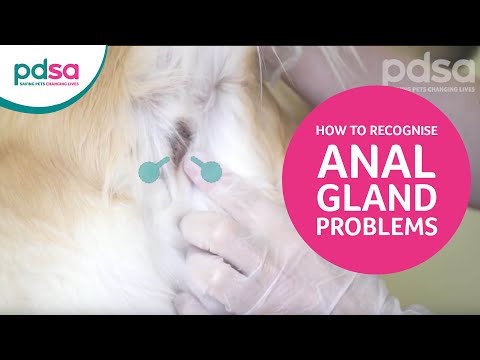
Related Videos


Symptoms of Anal Sac Disorders in Dogs
Scooting
The most visible and recognisable sign. A dog that drags its rear end along the floor is attempting to relieve the pressure and irritation of distended, impacted, or inflamed anal sacs by applying external friction. This is not normal behaviour, not amusing, and not something that resolves on its own.
Licking or Biting at the Anus
Persistent attention to the perianal area, particularly excessive licking, biting, or chewing at the skin around the anus and the base of the tail, is a direct response to the irritation and discomfort of anal sac disease.
Foul Odour
The secretion of impacted or infected anal sacs has a particularly pungent, fishy odour that is noticeably different from ordinary anal odour. A strong, persistent smell emanating from the rear of the dog, even without visible discharge, is a common presenting complaint from pet parents.
Pain While Sitting or Defecating
Dogs with significantly distended or infected anal sacs find the pressure of sitting uncomfortable. They may resist sitting, stand up abruptly, or show reluctance to adopt a defecation posture. Obvious pain during defecation is a more advanced sign indicating infection or abscess formation.
Swelling or Redness
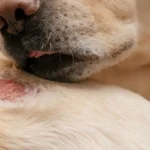
Visible swelling, redness, or discolouration of the skin beside the anus indicates inflammation or abscess formation that has extended to the surrounding tissue. This presentation requires a same-day veterinary assessment.
Blood or Pus Discharge
Active discharge of blood, pus, or a combination of both from the perianal region indicates that an abscess has ruptured or that active infection is present. This is not a condition to bandage and monitor at home.
Fever and Lethargy (Severe Cases)
Systemic signs, including fever, lethargy, and reduced appetite, indicate that the infection has extended beyond the local tissue and requires urgent veterinary intervention.
Causes of Anal Sac Disorders in Dogs
Poor Natural Emptying
The primary mechanism for natural anal sac emptying is the mechanical pressure exerted by passing a firm, well-formed stool. Dogs with chronically soft stools, frequent loose stools, or reduced perianal muscle tone from any cause do not generate adequate pressure to express the sacs during defecation. The secretion accumulates and thickens.
Thickened Secretions
In some dogs, the glandular secretion produced is inherently thicker than normal, making it more prone to blocking the narrow duct regardless of stool consistency or frequency. This tendency is often breed-related or individual to the dog.
Obesity
Excess body fat in the perianal region physically reduces the compression available to express the anal sacs during defecation. Obese dogs have a significantly elevated risk of anal sac impaction, and weight management is one of the most directly impactful preventive measures available.
Allergies (Food and Environmental)
Allergic skin disease affecting the perianal region is a well-recognised contributing factor to anal sac disorders. Inflammation of the perianal skin and mucosal surfaces caused by allergic reactions alters the normal duct drainage and creates an environment that predisposes to impaction and infection. Dogs with recurring anal sac problems should be assessed for underlying atopic dermatitis or food allergy.
Chronic Diarrhoea and Soft Stools
As noted, soft stools fail to provide the mechanical stimulus for normal anal sac expression. Dogs with chronic gastrointestinal conditions producing consistently soft or loose stools are at ongoing elevated risk of anal sac impaction.
Infection and Bacteria
Once the anal sac environment is compromised by retained secretion, opportunistic bacterial colonisation follows readily. The most common organisms involved are the normal commensal bacteria of the anal region, which become pathogenic in the retained, warm, nutrient-rich environment of the impacted sac.
Anatomical Abnormalities
Some dogs have inherently narrow anal sac ducts that impair drainage regardless of secretion consistency. This anatomical predisposition often explains the dogs that experience chronic, recurring impaction despite appropriate body weight, normal stool consistency, and regular expression.
How Anal Sac Disorders Develop
The sequence is consistent. The sac fails to empty adequately during defecation. The secretion accumulates and thickens as it sits in the sac beyond its normal turnover period. The environment within the sac becomes increasingly favourable for bacterial growth. Bacteria proliferate, producing the inflammatory response that characterises sacculitis. As inflammation worsens and pus accumulates, the pressure within the sac increases. Eventually, either the duct becomes more obstructed, and the pressure drives the abscess to rupture through the skin, or veterinary intervention disrupts the cycle before that point is reached.
How Veterinarians Diagnose Anal Sac Disorders in Dogs
Digital Rectal Examination
The anal sacs are assessed by gentle digital palpation during a rectal examination, which allows the veterinarian to assess the size, consistency, and pain response associated with each sac. Distended, firm, or fluctuant sacs can be reliably identified through this examination. This is the primary diagnostic tool and is performed under sedation in painful or uncooperative patients.
Expression of the Glands
Manual expression of the anal sacs is both diagnostic and therapeutic. The character of the expressed material, whether it is the normal pale tan fluid, the thickened brown paste of impaction, the purulent material of infection, or the bloody discharge of abscess, directly informs the diagnosis and the appropriate next treatment step.
Microscopy and Culture
A sample of the expressed material can be examined under the microscope for bacterial organisms and inflammatory cells, and submitted for culture and sensitivity testing to identify the specific bacteria involved and the appropriate antibiotic for treatment.
Imaging and Biopsy (If Tumour Suspected)
When a firm or irregular mass is identified in the anal sac region, ultrasound or other imaging is used to characterise the lesion and assess regional lymph nodes. Biopsy provides the definitive diagnosis necessary to distinguish between an organised abscess, a benign cyst, and anal sac adenocarcinoma. Understanding the range of perianal conditions in dogs helps contextualise when anal sac disorders overlap with or are complicated by other perianal diseases.
Treatment for Anal Sac Disorders in Dogs
Treatment depends entirely on the stage at which the condition is identified.
Manual Expression
For straightforward impaction without infection, manual expression of the glands by the veterinarian clears the retained material and immediately relieves the discomfort. The expression is performed gently by digital compression of the sac through the rectal wall or externally, and the contents are evacuated through the duct.
Regular expression at appropriate intervals is the ongoing management strategy for dogs with a chronic tendency toward impaction.
Flushing and Cleaning
For impaction where the secretion is too thick to be expressed manually through the duct, or for early-stage infection, infusion of the sac with a saline or antiseptic solution under sedation flushes the retained material and removes bacterial debris from the sac lumen.
Antibiotics and Anti-inflammatory Medications
Confirmed anal sac infection requires systemic antibiotics selected based on culture results or most likely organisms. Anti-inflammatory medications reduce the local tissue inflammation and provide analgesia that significantly improves the dog’s comfort during treatment.
For dogs with chronic inflammation of the rectum and anus, coordinated management of both conditions is often required to prevent each from perpetuating the other.
Pain Management
Anal sac abscess cases require specific pain management given the intensity of discomfort associated with the pressurised infected sac. Adequate analgesia before and during any procedure, and continued pain relief during healing, is an essential component of appropriate care.
Surgery (Anal Sacculectomy)
For dogs with chronic, recurring anal sac disease that does not respond to medical management, or where tumour is identified, surgical removal of the affected sac or sacs is the definitive treatment. The procedure removes the gland entirely, eliminating the anatomical structure that is the source of the recurring problem.
Surgical risks include the potential for nerve damage affecting faecal continence, though this complication is uncommon in experienced hands and the risk is generally outweighed by the benefit in dogs with severe, intractable disease.
Dietary Changes (High-Fibre Diet)
Increasing dietary fibre improves stool bulk and consistency, enhancing the natural compression applied to the anal sacs during defecation. This is a practical, low-risk management strategy for dogs with recurring impaction related to inadequate natural expression.
Related Products
Prognosis
The prognosis for anal sac disorders is generally good when treatment is provided at the impaction or early infection stage. Most dogs respond well to expression, flushing, and antibiotics, and recover completely.
Recurrence is common, particularly in dogs with underlying predisposing factors that have not been fully addressed. Ongoing regular expression, dietary management, allergy control, and weight management reduce recurrence frequency.
Abscess cases heal well with appropriate treatment but require diligent wound management during recovery. Anal sac adenocarcinoma carries a more guarded prognosis and requires specialist oncological management.
Complications of Anal Sac Disorders
Abscess Rupture
An untreated abscess that ruptures spontaneously creates an open, contaminated wound beside the anus that is slow to heal and prone to secondary infection. The tissue damage from rupture is significantly greater than the damage from controlled surgical drainage of an identified abscess.
Chronic Recurrence
Some dogs experience recurring anal sac impaction or infection despite appropriate treatment. In these cases, identifying and managing the underlying predisposing factors, whether dietary, allergic, or anatomical, becomes the management priority to reduce the cycle of recurrent disease.
Fistula Formation
Chronic anal sac infection and abscess formation can produce fistulous tracts, abnormal tunnels connecting the anal sac to the skin surface or to adjacent tissue, that are challenging to resolve and significantly complicate the management of the underlying condition.
Tumour Development
Anal sac adenocarcinoma, while rare, is a locally aggressive malignancy with a tendency to spread to regional lymph nodes. Early identification through prompt assessment of any firm perianal mass is the most impactful factor in determining the treatment options available.
When to See a Veterinarian
Contact your veterinarian promptly if your dog shows any of the following:
- Persistent scooting or rear-end dragging
- Repeated licking or biting at the perianal area
- Visible swelling, redness, or discolouration beside the anus
- Any discharge of blood or pus from the perianal region
- Pain while sitting or obvious discomfort during defecation
- Fever or lethargy alongside any perianal sign
Do not manage scooting with perianal wipes or home grooming measures while postponing veterinary assessment. The underlying sac pathology does not resolve without appropriate veterinary intervention.
Preventing Anal Sac Disorders in Dogs
High-Fibre Diet
Dietary fibre improves stool bulk and firmness, enhancing the natural mechanical emptying of the anal sacs during defecation. Dogs with recurring anal sac impaction often benefit from a dietary adjustment that increases fibre content, whether through a veterinary gastrointestinal diet or appropriate fibre supplementation.
Weight Management
Maintaining a healthy body weight reduces the excess perianal fat that physically limits anal sac compression during defecation. For overweight dogs with recurring anal sac problems, weight reduction frequently reduces the frequency and severity of impaction episodes.
Manage Allergies
Dogs with known atopic dermatitis or food allergy should be managed consistently for their allergic condition. Reducing perianal skin inflammation through allergy control reduces one of the common contributing factors to recurring anal sac disease.
Regular Veterinary Checks
Dogs with a history of anal sac disorders benefit from regular veterinary examination at shorter intervals than standard annual checks. Identifying impaction before it progresses to infection is a straightforward intervention that prevents the more painful and complex stages of the disease.