


Dog hair on the sofa, paw prints near the entrance, the faint smell of wet dog after the monsoon walk, a few ticks discovered during an evening cuddle. These are familiar realities for most Indian dog owners, and they are entirely manageable ones. Maintaining a clean home with dogs does not require expensive equipment or hours of daily effort. It requires a few consistent habits, a realistic approach, and an understanding of where hygiene problems actually come from. This guide is built around practical routines that work in Indian homes, with or without household help, regardless of whether your dog is a compact indie or a heavily shedding breed.
Why a Clean Home With Dogs Matters for Both Pet and Family
Cleanliness in a dog-owning home is not just about appearances. It has direct health implications for your dog and for the people living with them.
For the dog, a clean living environment means reduced exposure to fleas, ticks, and the eggs they leave behind in bedding and flooring. It means lower risk of re-infection from intestinal parasites, whose eggs can persist in contaminated floor areas. It also means fewer skin and ear infections triggered by damp, dirty living conditions.
For the family, particularly in Indian homes where children play on the floor and multiple family members interact closely with the dog, regular cleaning reduces the risk of zoonotic infections, allergic reactions to pet dander, and flea bites. People with asthma or respiratory sensitivities benefit significantly from consistent pet hygiene routines.
Neither of these concerns needs to create anxiety. They are simply good reasons to build consistent habits rather than leaving cleaning to when things become visibly problematic.
Common Cleanliness Challenges in Indian Dog-Owning Homes
Indian living conditions present a specific set of challenges for dog owners that differ from Western contexts, and solutions need to be practical for this environment.
- Year-round dust: Most Indian cities have significant ambient dust that settles on floors, furniture, and the dog’s coat. Dogs that sleep on the floor or on shared furniture transfer this onto surfaces constantly.
- Monsoon mud and wet paws: The rainy season brings muddy paws indoors multiple times a day, along with increased humidity that encourages bacterial and fungal growth on the dog’s skin and in bedding.
- Street exposure: Dogs that are walked in areas with other animals, open drains, or garbage exposure bring significantly more microbial load and parasite risk indoors than dogs walked in cleaner environments.
- Open-plan living and limited storage: In many Indian homes, dogs move freely between living, sleeping, and kitchen areas, making containment of shedding and dander more difficult.
- Balcony or outdoor access dogs: Dogs with unsupervised outdoor access pick up ticks, fleas, and soil contamination that they then bring into the home regularly.
Symptoms That Suggest Hygiene Needs Attention
Before a hygiene problem becomes serious, there are usually signs that the current routine is not keeping up. Watch for the following in both your dog and your home environment.
- A persistent smell from the dog’s coat that returns quickly after bathing
- Recurring itching or scratching in the dog, which may indicate flea activity in the home environment
- Ticks found on the dog regularly, suggesting the home or outdoor area is harbouring ticks
- Household members developing unexplained skin irritation, sneezing, or allergic symptoms
- Visible dirt or hair accumulation on bedding, floors, and furniture within a day or two of cleaning
- Recurrent ear or skin infections in the dog despite appropriate treatment
Common Causes of Hygiene Problems in Dog Homes
Understanding the root cause of a hygiene issue helps address it more effectively than simply cleaning more frequently without changing the underlying habit.
- Bathing the dog less frequently than the coat type and lifestyle require
- Not wiping paws after outdoor walks before the dog re-enters the home
- Washing the dog’s bedding less than once a week
- Using floor cleaners that are not pet-safe and that cause skin irritation, driving the dog to scratch and spread more dander
- Not addressing a flea or tick infestation at both the dog and home environment level simultaneously
- Feeding a diet that contributes to loose stools, excessive flatulence, or a strong body odour
Identifying Hygiene Problems: A Simple Home Checklist
Rather than waiting for a problem to become obvious, a quick weekly check of the following areas keeps a clean home with dogs a realistic and manageable goal.
| Area to Check | What to Look For | How Often |
|---|---|---|
| Dog’s coat and skin | Ticks, flea dirt, odour, dry patches, hair loss | Daily during grooming or petting |
| Dog’s bedding | Smell, visible dirt, flea dirt, damp patches | Every two to three days; wash weekly |
| Feeding bowls | Food residue, slime build-up, discolouration | Wash after every meal |
| Floor surfaces near sleeping and eating areas | Hair accumulation, food debris, soil tracked in | Daily sweeping or vacuuming |
| Entry and walk area | Muddy paw marks, wet patches, debris from outdoor walks | After every walk |
Related Videos





Daily Cleaning Routine for Dog Owners in India
A realistic daily routine for a clean home with dogs does not need to take more than fifteen to twenty minutes spread across the day. The following structure works well for most Indian households.
Morning
- Sweep or vacuum the dog’s sleeping area and any high-traffic floor areas
- Wash the dog’s food and water bowls before refilling
- Check the dog’s coat briefly for ticks if they have outdoor access
After Walks
- Wipe all four paws with a damp cloth before allowing the dog back indoors. A small tub of water at the door works well during monsoon months.
- Check between the toes and under the paw pads for any debris, cuts, or ticks after walks in parks or open areas
Evening or Night
- Spot-clean any soiled areas on the floor, sofa covers, or bedding
- Ensure the dog’s sleeping area is dry, particularly during humid months
Weekly
- Wash all dog bedding, blankets, and covers in hot water and dry in direct sunlight where possible
- Wipe down surfaces near the dog’s eating and sleeping areas with a pet-safe disinfectant
- Brush the dog thoroughly to remove loose hair and reduce shedding onto household surfaces
Managing Dog Hair, Odour, and Shedding at Home
Shedding is one of the most frequently cited frustrations for dog owners in India, particularly those with medium or long-coated breeds, or with indie dogs during seasonal shedding periods.
The most effective tool for managing shedding is regular brushing, not bathing. Brushing your dog outdoors or in a contained area two to three times per week removes loose hair before it reaches your floors and furniture. For heavy shedders, a de-shedding brush or undercoat rake used weekly during peak shedding seasons makes a visible difference to the volume of hair indoors.
Persistent body odour in a dog that is bathed regularly usually indicates an underlying skin condition, ear infection, or dietary issue rather than a cleanliness problem. If your dog smells despite appropriate bathing frequency, a veterinary assessment is more useful than bathing more often, which can strip the skin’s natural oils and worsen the underlying problem.
Related Products
Grooming as the Foundation of a Clean Home With Dogs
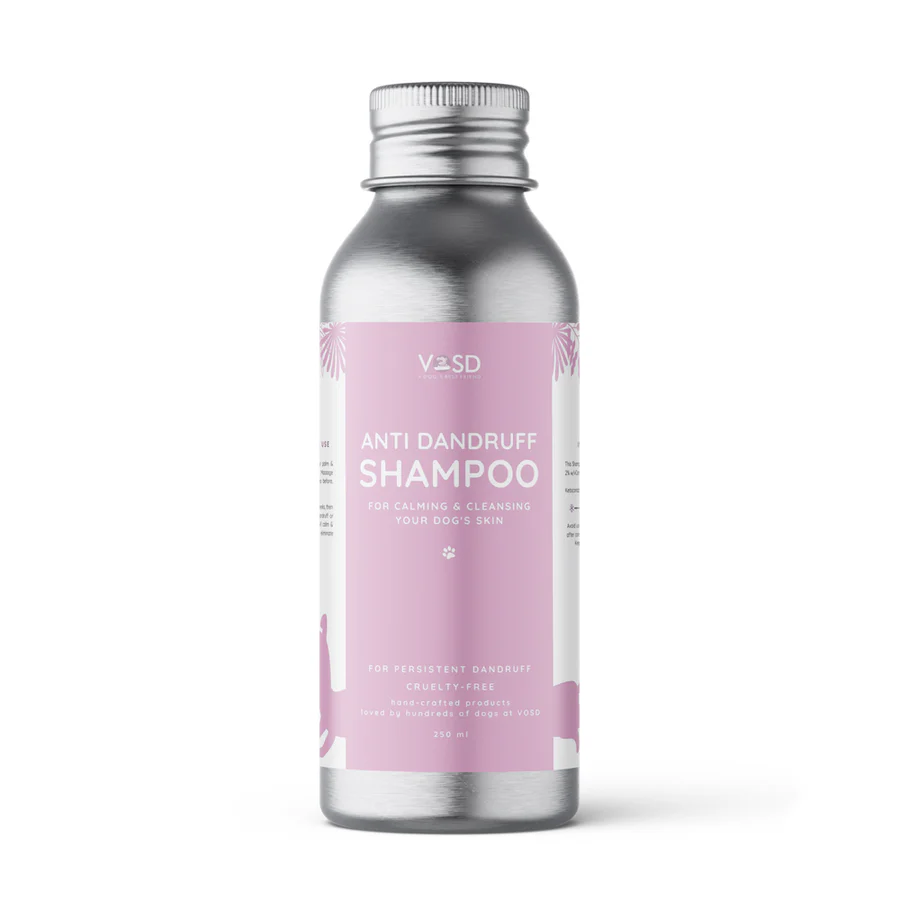
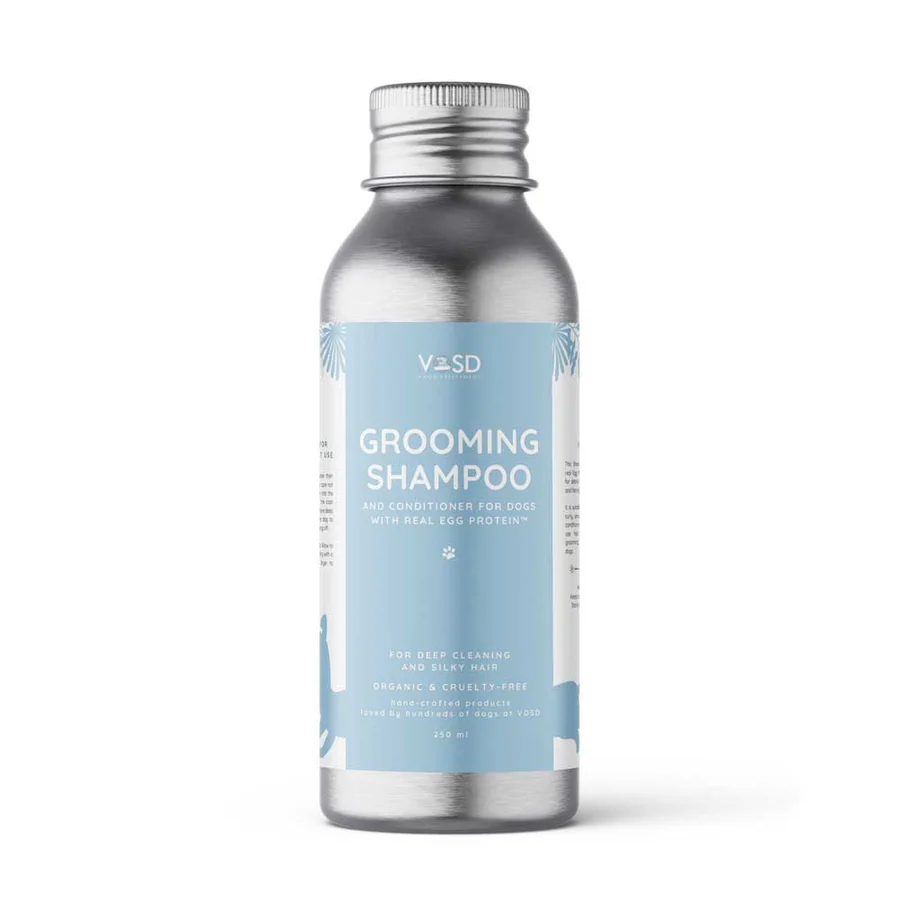
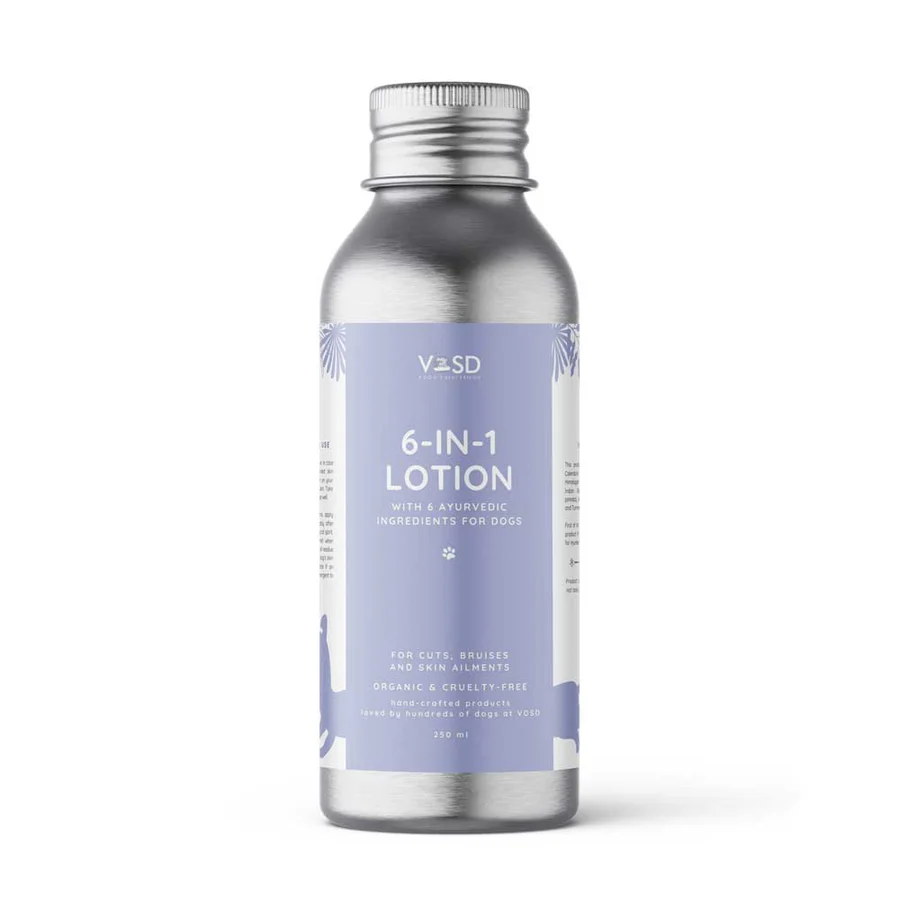
A well-groomed dog contributes significantly less to household mess than a dog whose coat is unkempt, matted, or harbouring parasites. Regular brushing, appropriate bathing frequency for the coat type, and consistent parasite prevention together reduce the single largest sources of home hygiene challenges. Grooming does not need to be expensive or elaborate. A simple, consistent routine produces better results than occasional intensive sessions.
Cleaning Dog Bedding and Living Areas
Dog bedding is one of the highest-risk areas in a dog-owning home for flea egg accumulation, dust mite growth, and bacterial build-up. In Indian conditions, where heat and humidity accelerate microbial growth, washing bedding at least once a week is a practical minimum.
- Wash bedding in hot water where the fabric allows
- Sun-dry bedding thoroughly rather than leaving it damp indoors, as dampness encourages mould and bacterial growth
- Rotate between two sets of bedding so there is always a clean set available
- Replace bedding that is heavily soiled, torn, or retaining odour despite washing
Safe Cleaning Products for Homes With Dogs
Several common Indian household cleaning products are harmful to dogs and should be used with care in dog-owning homes.
- Phenyl-based floor cleaners: Phenol is toxic to dogs, particularly when they walk on freshly cleaned floors and then lick their paws. Use pet-safe floor cleaners or diluted white vinegar solutions as alternatives.
- Undiluted bleach: Irritating to the respiratory tract and skin of dogs. If bleach is used to disinfect an area, rinse thoroughly and ensure the dog cannot access the area until completely dry.
- Strong air fresheners and room sprays: These can trigger respiratory irritation in sensitive dogs, particularly those with existing skin or respiratory conditions. Ventilation is a safer approach to managing household odour than aerosol sprays used near the dog.
Managing Outdoor Dirt: An Indian Reality
Dogs walked in Indian urban and semi-urban environments encounter a range of outdoor contaminants that a paw wipe routine alone does not fully address. During and after the monsoon season, exposure to stagnant water, contaminated soil, and street-level debris is particularly high.
A practical approach includes keeping a dedicated paw-wiping cloth and a small water basin at the entrance, checking between the toes after walks in dirty areas, and bathing the dog more frequently during monsoon months than during the dry season. For dogs that spend time in gardens or areas with other animals, a weekly tick check and consistent parasite preventative use is part of keeping the home clean as well as keeping the dog healthy.
Related Products


Prevention Tips for a Consistently Clean Home
The following habits, maintained consistently, keep a clean home with dogs achievable without requiring constant intensive effort.
- Establish a fixed paw-wiping routine at the door after every walk and stick to it
- Keep a lint roller near areas where the dog sleeps or sits on furniture
- Use washable covers on sofas and dog-preferred seating areas that can be laundered weekly
- Feed the dog in a contained area and clean up any spills immediately to prevent ant and insect activity
- Keep the dog’s nails trimmed so they do not scratch and gouge floor surfaces, which creates grooves that collect dirt and hair
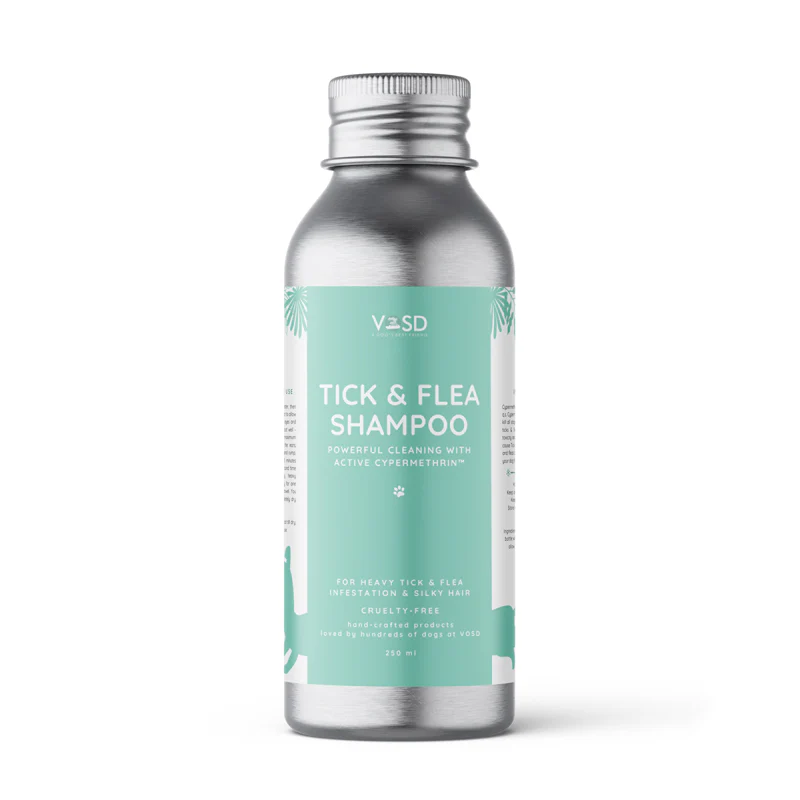
- Address flea or tick infestations at both the dog and home environment level simultaneously, as treating only the dog without cleaning the home leads to rapid re-infestation
When to Seek Veterinary Help
Some hygiene problems in a dog-owning home are symptoms of a health issue in the dog rather than a cleaning problem. Consult your vet when you notice:
- Persistent skin infections or hot spots despite regular grooming and cleaning
- Recurring flea or tick infestations despite using preventative products
- A strong, persistent body odour from the dog that does not resolve with bathing
- Loose stools or digestive issues that are contributing to household hygiene challenges
- Signs of mange or significant hair loss affecting the dog’s coat condition
Maintaining a clean home with dogs is genuinely achievable in Indian conditions. It does not require perfection, expensive products, or an unrealistic amount of time. It requires consistent daily habits, a good grooming routine, the right cleaning products, and the awareness to recognise when a hygiene challenge is actually pointing to a health issue that needs veterinary attention. With these in place, dogs and clean homes coexist comfortably.















