Coughing is as common in dogs as it is in people. It could occur due to several reasons, but most often, the body can naturally recover. In some cases, though, if the coughing persists (for over a week) or is severe (when the dog is hacking or makes choking sounds), immediate medical attention is required. Some of the causes of the coughing, as identified by veterinarians, include:
Types of Dog Coughs and What They Mean
| Type / Condition | Sound / Appearance | Common Cause |
|---|---|---|
| Respiratory Infection (Pneumonia / Bronchitis) | Persistent cough, breathing difficulty | Viral, bacterial, or fungal infection in the lungs or airways |
| Kennel Cough | Loud, hollow “honking” cough | Contagious respiratory bacteria or virus |
| Heartworms | Dry cough, fatigue, breathing issues | Parasitic worms transmitted through mosquito bites |
| Distemper | Cough with mucus, fever, lethargy | Canine distemper virus infection |
| Lung Disease | Labored breathing, mucus cough | Pneumonia, infection, or polluted air |
| Chronic Bronchitis | Dry, hacking cough lasting months | Long-term airway inflammation |
| Heart Disease | Persistent cough with weakness | Fluid buildup in the lungs due to heart problems |
| Reverse Sneezing | Snorting or repeated inhaling sound | Nasal passage irritation |
| Foreign Object in Airway | Gagging or choking cough | Object stuck in throat or airway |
| Collapsing Trachea | Honking or chronic cough, common in small dogs | Weakening of cartilage rings in the trachea |
| Laryngeal Paralysis | Harsh breathing sound, coughing | Nerve weakness is preventing the larynx from opening properly |
| Lung Cancer | Persistent cough that worsens over time | Tumors developing in lung tissue |
Kennel Cough is highly contagious and spreads rapidly in dogs that socialise in parks, boarding kennels, or grooming facilities. It is caused by a combination of bacteria (most commonly Bordetella bronchiseptica) and viruses. In otherwise healthy adult dogs, it is usually self-limiting but still requires veterinary assessment to confirm the diagnosis and rule out progression to pneumonia.
Pneumonia is a serious infection of the lung tissue itself, producing a deep, wet cough alongside fever, lethargy, and reduced appetite. It requires prompt antibiotic treatment and, in severe cases, hospitalisation with supportive care.
Heart disease causing a cough is common in older small-breed dogs, particularly Cavalier King Charles Spaniels and Dachshunds. Fluid accumulation around the lungs due to congestive heart failure produces a persistent soft cough that worsens at night or during rest.
Red Flags That Require Immediate Veterinary Attention
Seek emergency care without delay if your dog’s cough is accompanied by any of the following:
- Laboured or open-mouth breathing: Rapid, shallow breaths or visible effort to inhale are signs of respiratory distress.
- Blue or grey gums: Cyanosis indicates severely reduced oxygen levels and is a critical emergency.
- Fever above 103°F: Combined with a cough, this strongly suggests pneumonia or systemic infection.
- Cough lasting more than 48 hours or worsening: A cough that does not improve or progressively worsens requires diagnostic investigation.
- Collapse or extreme lethargy: Any loss of consciousness or inability to stand alongside a cough is an emergency.
Questions Your Vet Might Ask During Diagnosis
What does it sound like?
Kennel cough sounds hollow, with trumpet-like tones. Otherwise, a cough could be dry. A wet cough could signal fluid and mucus in the lungs and windpipe. Observe the sound of the dog’s cough – maybe even record it – so the veterinarian will be able to better diagnose.
Is the cough dry or moist?
A dry or wet cough could signal different health concerns. For example, a dry, raspy cough could be a sign of canine bronchitis, while a wet cough could point to phlegm collection in the throat and lungs.
Does the dog have trouble breathing between coughing fits?
If the dog has trouble breathing and is gasping for air, it might indicate lung problems like pneumonia or distemper.
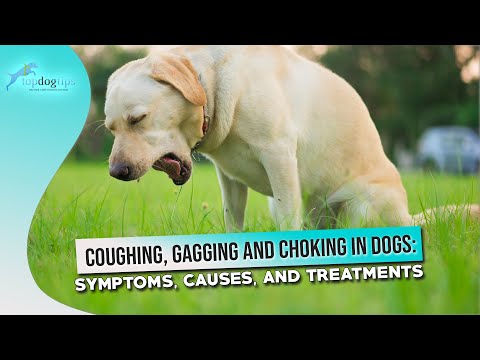
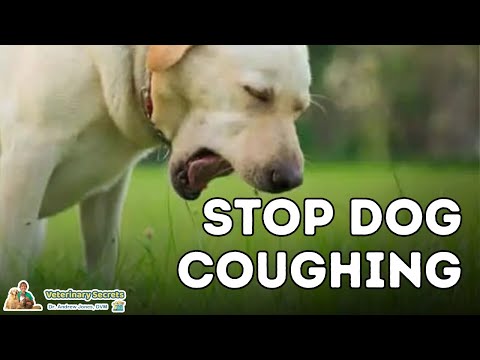
Related Videos



VOSD Advance PetCare™ Respiratory Protocol
- Chest auscultation: Careful listening to lung and heart sounds to detect abnormal breath sounds, fluid, or cardiac murmurs.
- Chest X-ray: Essential for distinguishing between pneumonia, heart enlargement with fluid accumulation, and other lung conditions. Cough type alone cannot reliably differentiate these.
- Blood testing: Complete blood count and inflammatory markers to assess infection severity and guide treatment decisions.
- Isolation guidance: Dogs diagnosed with or suspected of having kennel cough are given specific advice to prevent transmission to other dogs in the household or community.
Related Products




Dog Coughing Treatment
The dog’s veterinarian will diagnose and treat the dog based on the different symptoms that the dog displays. The usual method of treatment is the prescription of antibiotics. Talk to the veterinarian about a detailed treatment plan that includes diet and other routine changes.
Home Remedies for Dog Cough
There is so much you can do to take care of a dog at home, apart from veterinary treatment. Some of the different home remedies include:
- Raw honey– Raw honey is anti-inflammatory, soothing, and anti-bacterial. Do not confuse raw honey with honey that is sold in most grocery stores. Honey is best when it is unpasteurised, because this is where the enzymes and nutrients come from.
- Coconut oil– this is full of rich, healthy fats that are given in small doses and could help with diseases like kennel cough.
Do you find this information valuable? Visit VOSD for comprehensive medical advice.