Cancer is one of the leading health challenges facing dogs today, particularly as they age. In fact, cancer accounts for nearly half of all disease-related deaths in dogs over the age of 10. Yet many pet owners remain unaware of the early signs of cancer in dogs, warning signals that, when caught in time, can make a profound difference in treatment outcomes. While dog cancer symptoms can appear at any age and in any breed, understanding what to look for gives you the best chance of seeking timely care. Recognizing the early signs of cancer in dogs is not just important; it can be life-saving.
What is Cancer in Dogs?
Canine cancer occurs when cells in a dog’s body begin to grow and divide abnormally, eventually forming masses called tumors. Not all tumors are dangerous, benign tumors grow slowly and do not spread. Malignant tumors in dogs, however, are aggressive: they invade surrounding tissues and can spread to distant organs via the bloodstream or lymphatic system. Common types include lymphoma, osteosarcoma, mast cell tumors, and mammary carcinoma. The earlier these conditions are identified, the greater the likelihood of successful treatment, which is why recognizing symptoms early is crucial.
Common Signs of Cancer in Dogs
The warning signs of cancer in dogs vary depending on the type and location of the cancer. Some symptoms are obvious, like a visible lump; others, such as subtle changes in appetite or energy, are easy to overlook. Symptoms of dog cancer may also mimic other conditions, making veterinary evaluation essential. The most common cancer symptoms in dogs include:
- Unusual lumps or bumps under or on the skin
- Unexplained or rapid weight loss
- Persistent loss of appetite
- Limping, stiffness, or lameness that does not resolve
- Abnormal bleeding or unusual discharge from any body opening
- Non-healing sores or chronic wounds
- Difficulty breathing, eating, or swallowing
- Lethargy or a noticeable drop in energy levels
- Changes in bathroom habits (straining to urinate or defecate)
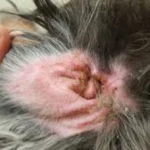
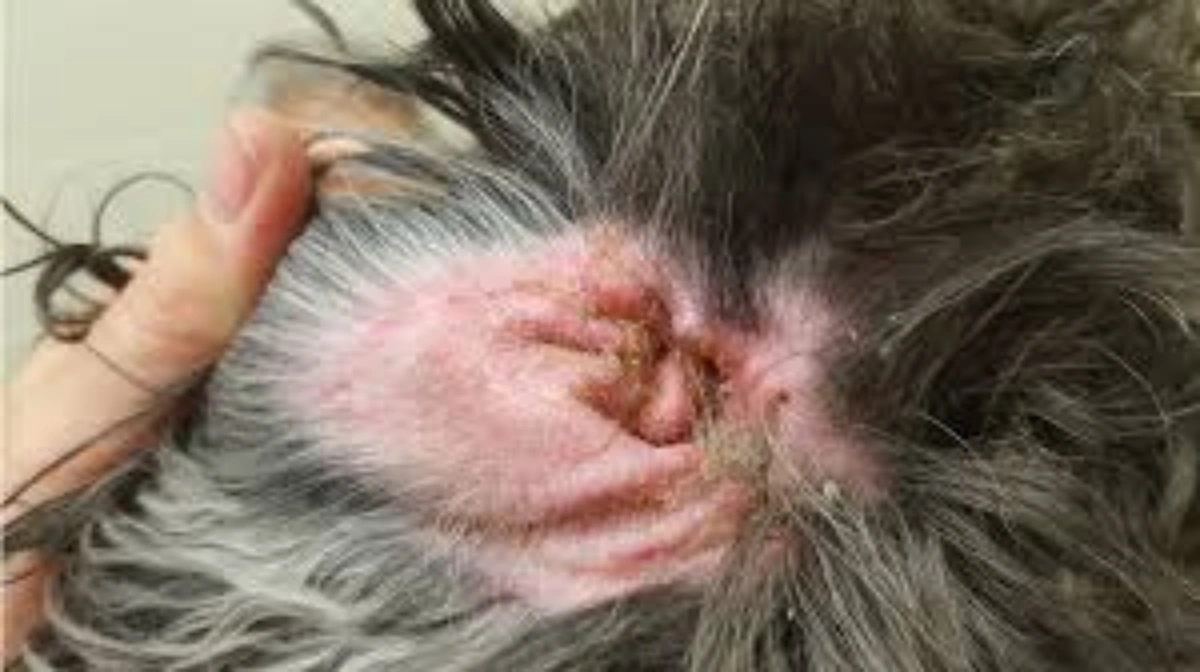
- Foul or unusual odors from the mouth, ears, or body
Unusual Lumps or Swelling
A lump on a dog is one of the most common reasons pet owners seek veterinary attention, and rightly so. While many lumps are harmless cysts or lipomas, a tumor in dogs can look and feel similar at first glance. Persistent lumps that grow in size, change shape, bleed, or feel firm and irregular are particularly concerning. Swelling near lymph nodes may also signal lymphoma. Any new or changing lump should be examined by a veterinarian; only fine needle aspiration or biopsy can determine whether a lump is benign or malignant.
Unexplained Weight Loss
Sudden weight loss in dogs, especially when food intake remains unchanged, can be a red flag for cancer. Malignant tumors alter a dog’s metabolism and may cause the body to break down fat and muscle for energy. Sudden weight loss in dogs is one of the earliest detectable signs of illness and should not be dismissed as normal aging.
Loss of Appetite
A dog not eating is a recognized cancer symptom. Tumors affecting the mouth, throat, stomach, or intestines can make eating painful or physically difficult. Even systemic cancers can suppress appetite through hormonal disruption. A persistent decrease in appetite lasting more than a day or two warrants prompt veterinary attention.
Persistent Lameness or Pain
Bone cancer symptoms in dogs, most notably associated with Osteosarcoma in Dogs, include progressive lameness, swelling near a limb joint, and pain during movement. Osteosarcoma is one of the most aggressive cancers in large breeds such as Great Danes, Rottweilers, and Irish Wolfhounds. Limping that does not improve with rest, or worsens over time, should never be attributed to aging without a proper veterinary investigation.
Abnormal Bleeding or Discharge
Bleeding in dogs related to cancer can appear as nosebleeds, blood in the urine or stool, bleeding from the mouth, or unusual genital discharge. Internal bleeding from tumors affecting the spleen or liver may not be visible but can cause sudden lethargy and pale gums. Any unexplained or recurring bleeding should be evaluated without delay.
Chronic Wounds That Don’t Heal
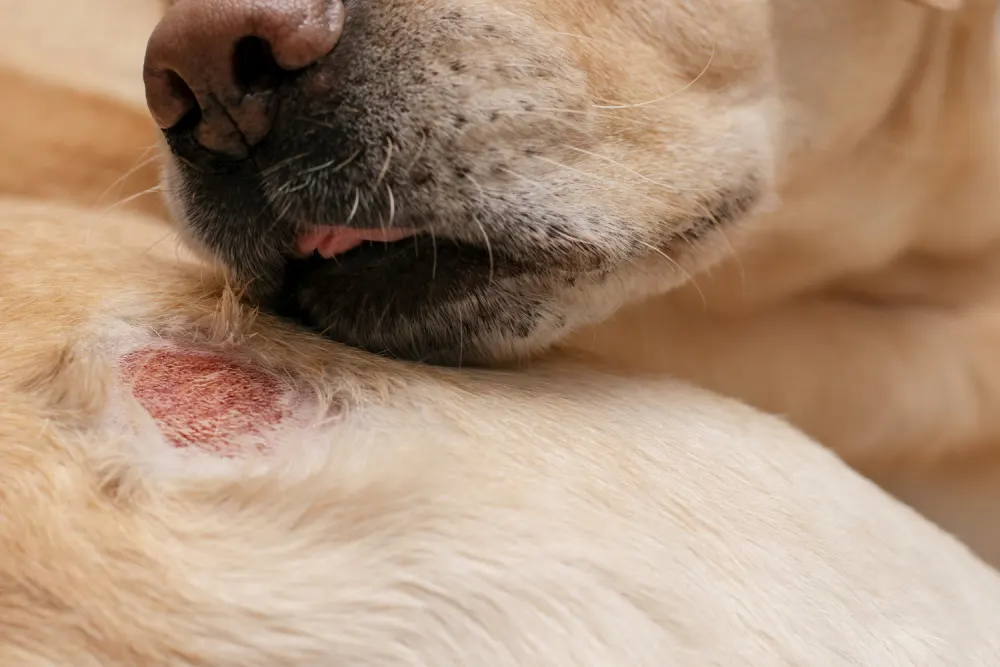
Non-healing wounds in dogs can indicate underlying skin cancer or immune dysfunction caused by systemic malignancy. Mast cell tumors, squamous cell carcinoma, and other skin cancers may present as persistent ulcers that fail to respond to standard wound care. A sore that remains open for more than two weeks despite treatment warrants a biopsy.
Difficulty Breathing, Eating, or Swallowing
Breathing problems in dogs related to cancer often result from tumors in the chest cavity compressing the airways or filling the pleural space with fluid. Tumors in the throat or esophagus can make swallowing difficult. Signs include labored breathing, open-mouth breathing at rest, gagging, or repeated regurgitation. These symptoms require immediate veterinary assessment.
Causes and Risk Factors of Cancer in Dogs
Understanding the causes of cancer in dogs can help owners make informed decisions about prevention and screening. Dog cancer risk factors include a combination of genetic, environmental, and lifestyle elements:
- Age: Cancer becomes significantly more common in dogs over seven years old. Regular screening is especially important for senior dogs.
- Genetics and breed predisposition: Golden Retrievers have an exceptionally high overall cancer rate. Boxers and Boston Terriers are prone to mast cell tumors. Bernese Mountain Dogs are at elevated risk for histiocytic sarcoma.
- Hormonal influences: Unspayed females have a higher risk of mammary cancer. Intact males are at risk for testicular and prostatic cancers. Early spaying or neutering can reduce, though not eliminate, these risks.
- Environmental toxins: Exposure to herbicides, pesticides, secondhand smoke, and certain industrial chemicals has been associated with increased cancer risk.
- Radiation and UV exposure: Excessive sun exposure increases the risk of squamous cell carcinoma, particularly in dogs with light-colored or thin coats.
- Chronic inflammation: Persistent infections or inflammatory conditions can, over time, promote abnormal cell growth in affected tissues.
Related Videos
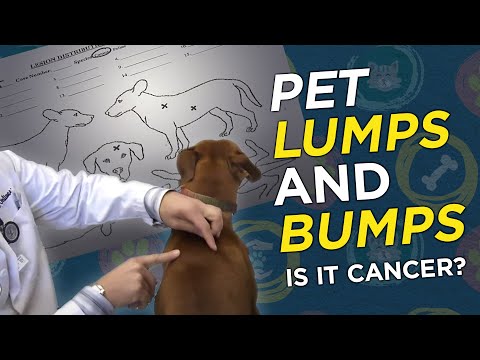

How Veterinarians Diagnose Cancer in Dogs
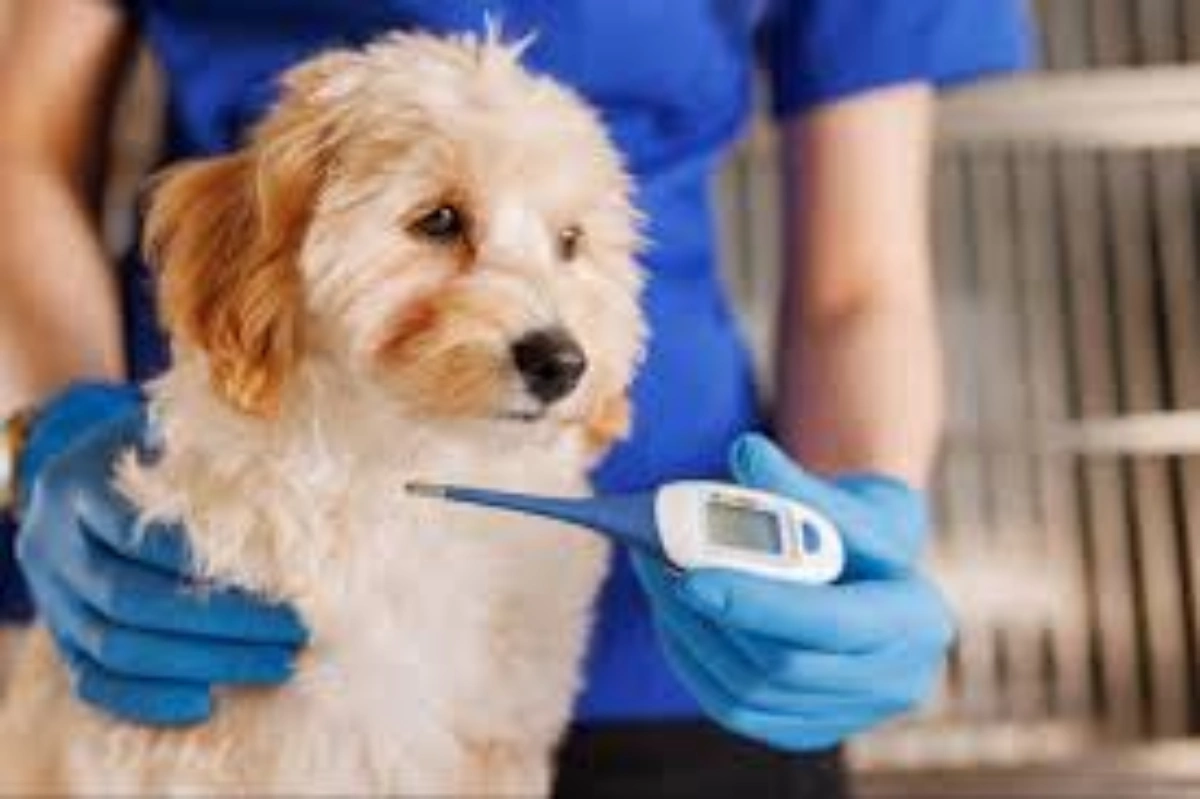
A dog cancer diagnosis typically begins with a thorough physical examination, checking for palpable masses, lymph node enlargement, and other abnormalities. Based on findings, a variety of veterinary cancer tests may be recommended:
- Fine needle aspiration (FNA): A minimally invasive technique to collect cells from a lump for microscopic examination.
- Biopsy and histopathology: A tissue sample sent to a pathology lab to confirm cancer type, grade, and malignancy.
- Blood and urine tests: Complete blood counts, biochemistry panels, and urinalysis can reveal systemic effects of cancer or organ dysfunction.
- X-rays (radiography): Useful for detecting tumors in the chest and limbs, and identifying lung metastasis.
- Ultrasound: Detailed imaging of abdominal organs to detect masses and guide needle aspirates.
- CT scans and MRI: Advanced imaging used in surgical planning for brain, nasal, or complex abdominal tumors.
- Bone marrow biopsy: Used when blood cancers such as leukemia are suspected.
Early veterinary evaluation is critical, the sooner cancer is confirmed and staged, the more treatment options are available.
Treatment Options for Cancer in Dogs
Cancer treatment for dogs has advanced significantly, and many dogs today achieve excellent quality of life during and after therapy. The most appropriate treatment depends on cancer type, stage, location, and the dog’s overall health.
- Surgery: The primary treatment for many solid tumors. Surgery for dog tumors is often curative when cancer is caught early and has not metastasized.
- Dog chemotherapy: Used for systemic cancers like lymphoma, or as an adjunct to surgery. Veterinary chemotherapy protocols are generally less aggressive than human ones, and most dogs tolerate treatment well.
- Radiation therapy: Effective for tumors that cannot be fully removed surgically. Stereotactic radiation (SRS/SRT) is increasingly available at specialist centers.
- Immunotherapy and targeted therapy: Emerging treatments that harness the immune system or target specific cancer pathways. Toceranib (Palladia) is an approved targeted therapy for mast cell tumors.
- Palliative care: When cure is not possible, palliative treatment focuses on pain management and quality of life, helping dogs remain comfortable for as long as possible.
Prognosis for Dogs with Cancer
The survival rate of dogs with cancer varies considerably. Life expectancy for dogs with cancer depends on the cancer type and grade, stage at diagnosis, treatment response, and overall health. Dogs with low-grade mast cell tumors treated with surgery often achieve long-term remission, while those with high-grade osteosarcoma face a more guarded outlook. Despite challenging diagnoses, many dogs with cancer enjoy months to years of good quality life with appropriate care. Advances in veterinary oncology continue to improve outcomes, and a diagnosis of cancer is not necessarily a terminal verdict.
When to See a Veterinarian
If you notice any symptoms described in this article, do not wait to see if they resolve on their own. When to take a dog to the vet for cancer symptoms: immediately if there is sudden collapse, uncontrolled bleeding, or severe breathing difficulty; and within a few days if any sign such as a new lump, unexplained weight loss, lameness, or appetite loss persists for more than two to three days or progressively worsens. Annual wellness exams, and bi-annual exams for dogs over seven, are strongly recommended. Many cancers are discovered during routine checkups before the owner notices any symptoms, dramatically improving treatment outcomes.
How to Reduce Cancer Risk in Dogs
While it is impossible to guarantee a dog will never develop cancer, several practical measures can help prevent cancer in dogs or detect it at an earlier, more treatable stage:
- Regular veterinary checkups: Annual or bi-annual exams allow early detection of lumps and other abnormalities.
- Balanced, high-quality diet: Feed a nutritionally complete diet appropriate for your dog’s age and size.
- Maintain a healthy weight: Obesity has been linked to increased cancer risk. Regular exercise and caloric management are essential.
- Minimize exposure to carcinogens: Avoid lawn pesticides and herbicides. Do not expose dogs to secondhand smoke. Choose pet-safe cleaning products.
- Consider spaying or neutering: Early spaying before the first heat cycle dramatically reduces mammary cancer risk. Neutering eliminates testicular cancer entirely.
- Limit sun exposure: For dogs with light skin or thin coats, limit midday sun and consider pet-safe sunscreens on exposed areas.
- Know your breed’s risks: If your dog is a high-risk breed, discuss proactive screening with your veterinarian.